
You give so much. It's okay to need support too.
Online counselling for people in caring roles — with a counsellor who understands that experience from the inside.
Caring is meaningful — and one of the most demanding things a person can do
Whether you are supporting an ageing parent, a partner living with illness or disability, a child with complex needs, or another family member, the weight of that role rarely lets up.
There are appointments to manage, decisions to make, emotions to hold, and your own life to keep running — often with very little space left for yourself.
Counselling is not about stepping back from your caring role. It is about making sure you have somewhere to put everything that accumulates.
Deborah understands this from lived experience
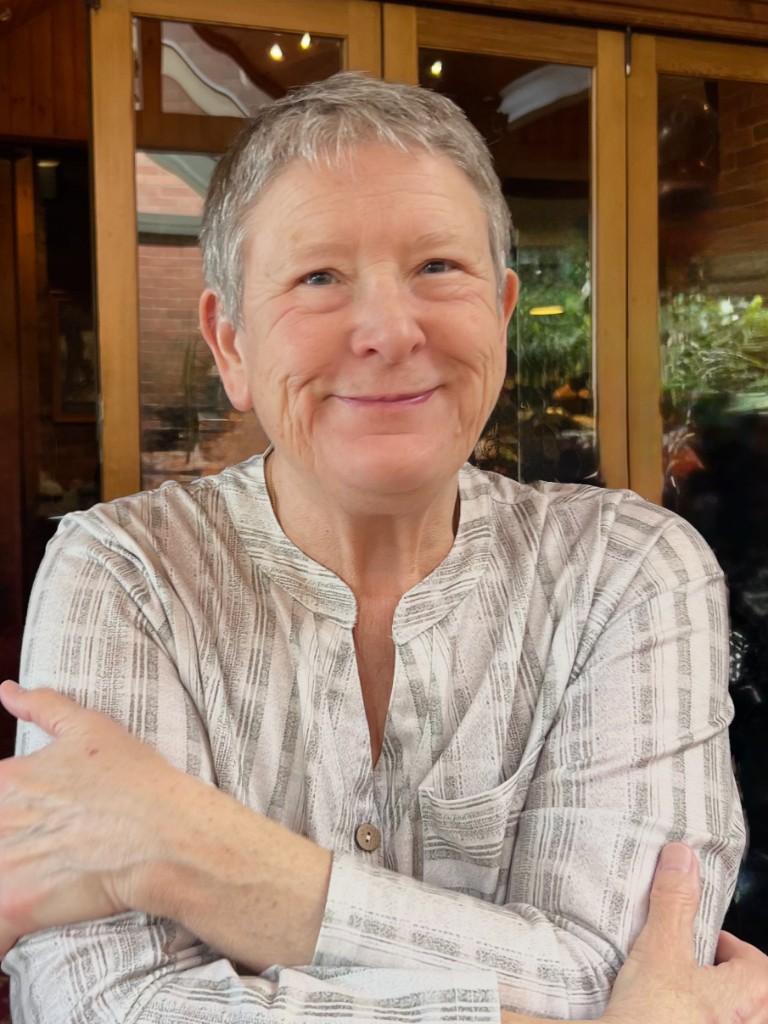
Reflect Renew Counselling is led by Deborah Haywood, who holds a Master of Counselling (University of Canberra) and a Bachelor of Psychological Sciences (Swinburne), and is a Level 2 member of the Australian Counselling Association. Based in Sunbury, Victoria, Deborah works with clients across Australia via telehealth. She works in a trauma-informed, person-centred way, drawing on ACT, Motivational Interviewing, and Culturally Sensitive Practice where helpful.
Deborah was the primary carer for her ageing parents for more than a decade — and understands firsthand what that role involves: the love and the grief that coexist within it, the way it quietly reshapes your identity over time, the invisible labour, the guilt that arrives even when you are doing everything right, and the particular exhaustion that comes not from doing too little but from doing too much for too long.
This is not a counsellor who will need the experience explained to them.
"My 10 years as a carer for my parents has given me deep insight into the love and challenges of caregiving. Combined with my Master of Counselling, I offer empathetic, person-centred support grounded in both lived experience and professional knowledge."
What carers often bring to counselling
Every carer's situation is different, but some feelings and experiences come up again and again.
You do not need to wait for a crisis to reach out. Many people find counselling most useful when the pressure is building, not when it has already broken.
How sessions work
Reflect Renew operates entirely via telehealth. For carers, this removes one more barrier — no travel, no waiting room, and no need to arrange cover to attend an appointment.
Choose your starting point
Carers often put everyone else first. The free 15-minute Fit Call is a low-pressure way to see if this feels right — or book a Standard Session directly if you're ready.
Meet online, from wherever you are
Sessions are online, so you can talk from home or anywhere private. You book a time that works around your responsibilities.
Leave with a clearer next step
Sessions are person-centred and practical. Where helpful, you'll identify strategies you can use straight away.
Ready to talk?
If you're not sure whether counselling is right for you, that's completely okay. Many people in caring roles wish they'd reached out sooner — and often the hardest part is simply taking that first step.
The free Fit Call is there for exactly that: to ask questions, feel out the fit, and decide what — if anything — makes sense next.
Deborah also works with adults navigating grief, anxiety, stress, and life transitions — see all the ways she can help →