
When the pressure keeps building, something has to give.
Online counselling for people carrying more than is reasonable — and looking for a way through.
Stress that builds slowly is still stress
A lot of people don't think of themselves as "stressed" — they just think of themselves as busy, or stretched, or tired. They're managing. Just about. Until they aren't.
Chronic stress doesn't always feel dramatic. It can look like lying awake running through tomorrow's list. It can look like snapping at people you love. It can look like grinding through the days feeling vaguely numb, or constantly behind, or quietly resentful of everything you've agreed to do.
Counselling can help you get underneath the surface — to understand what's actually driving the pressure, and to make changes that are realistic, not just aspirational.
A calm space in an overfull life
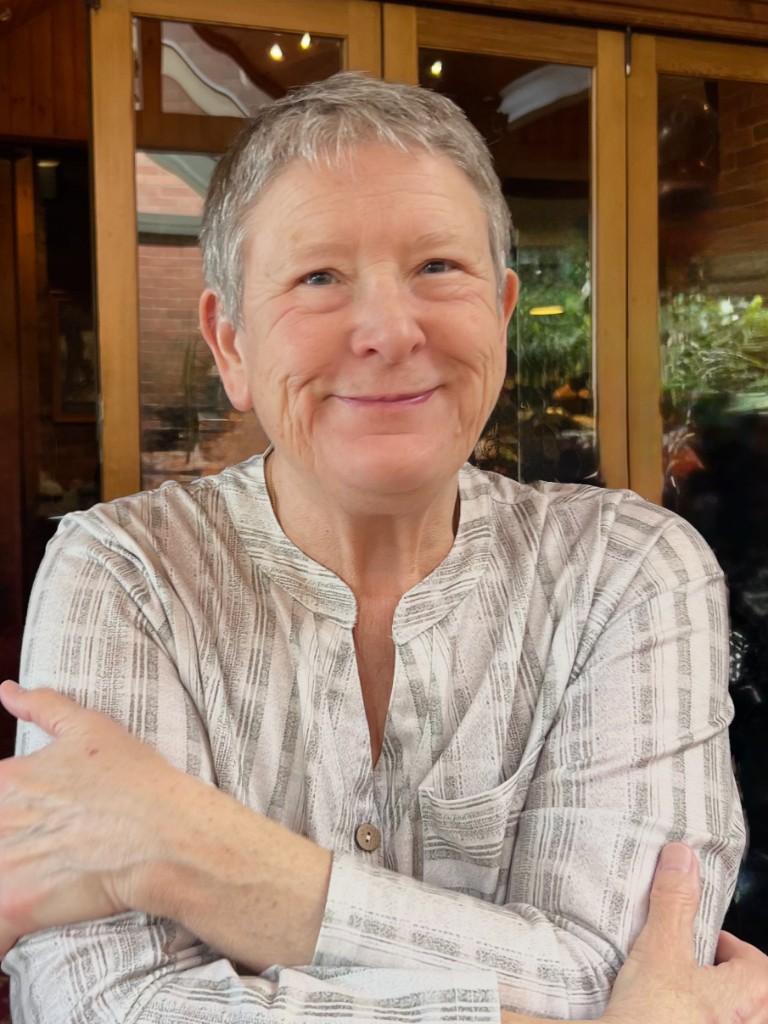
Reflect Renew Counselling is led by Deborah Haywood, a Level 2 Australian Counselling Association member with a Master of Counselling (University of Canberra) and a Bachelor of Psychological Sciences (Swinburne). Based in Sunbury, Victoria, Deborah works with clients across Australia via telehealth. She brings a collaborative, practical approach to the work — focused less on what people think they should be doing, and more on what might actually be realistic and sustainable given the life they're actually living.
Drawing on ACT and CBT where helpful, Deborah works with people to identify what's driving the pressure — not just the surface symptoms of it — and to build responses that hold up in real life, not just in theory.
The goal isn't a perfect life. It's a more sustainable one.
What people often bring to stress counselling
Stress looks different for everyone, but these are some of the most common experiences people arrive with.
You don't need to have collapsed to reach out. In fact, it's usually easier to make changes before you get to that point.
How sessions work
All sessions are held online via video or phone — no travel, no waiting rooms, and no need to carve out a half-day to attend an appointment.
Choose your starting point
Start with a free 15-minute Fit Call to see how this feels before committing to anything, or book a Standard Session directly. Either works — there's no wrong way in.
Meet online, from wherever you are
Sessions are online, so you can talk from home or anywhere private. You pick the time that fits your schedule.
Leave with a clearer next step
Sessions are practical and grounded. You'll leave with a clearer sense of what's driving the stress — and realistic options for what to do about it.
It doesn't have to stay this hard
The free Fit Call is a 15-minute, no-pressure conversation — a chance to see whether this feels like the right fit before you commit to anything.
If you'd rather just book a Standard Session, you can do that directly. There's no referral required and no long wait.
Deborah also works with people navigating grief, anxiety, caring roles and life transitions — see all the ways she can help →